Scammers target real people in our communities.

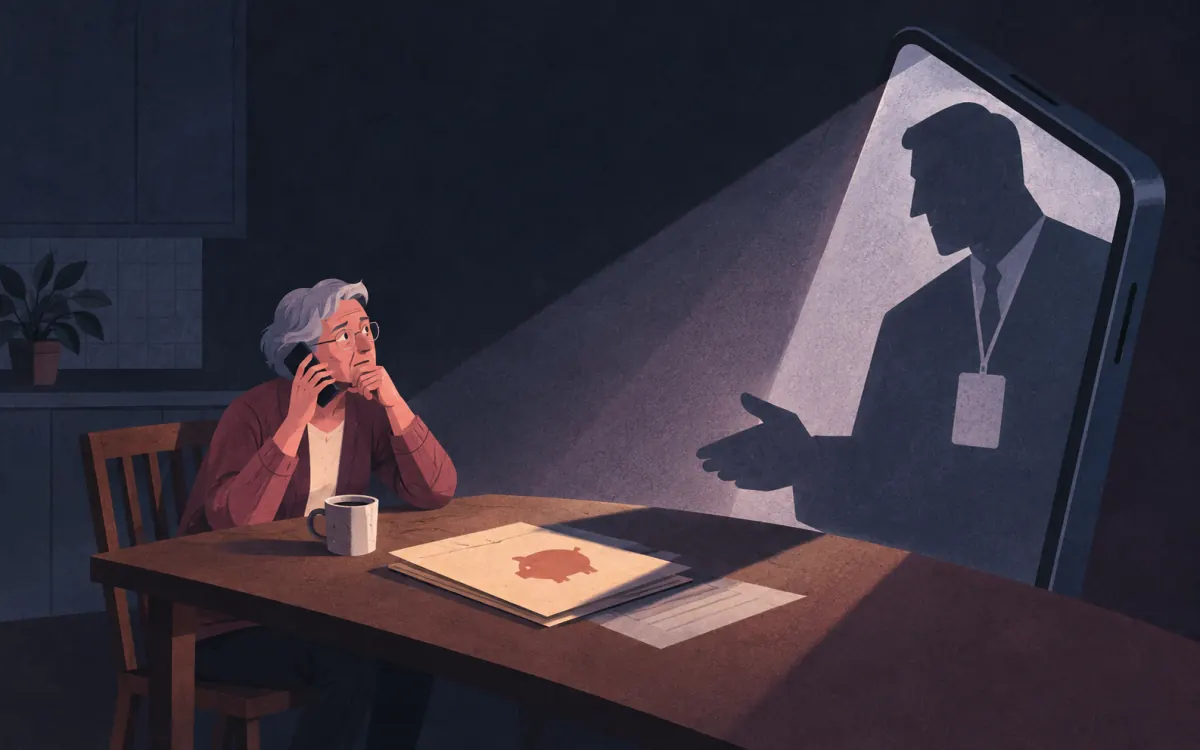
Illustration of an older woman pausing on a call while a false official looms from a phone.

When a scam gives you a role in its investigation

A fake government investigation can recruit the person it claims to protect. The FTC's clear rule cuts through the story: no real agency asks you to move money to protect it.

Read the story


Overhead illustration of hands closing a laptop and disconnecting it after a suspicious refund notice.

How a fake refund can take over your computer and your decisions

A made-up purchase can lead to a fake support desk, remote access, and pressure to move money. Learn where to break that chain before a stranger gains control.

Read the story
Illustration of report folders above many unopened envelopes representing unreported fraud.

What the $81.5 billion estimate can and cannot tell you

The FTC's upper estimate for fraud losses among older adults is not a count of filed complaints. Understanding how it was built makes the headline clearer and the problem harder to dismiss.

Read the story
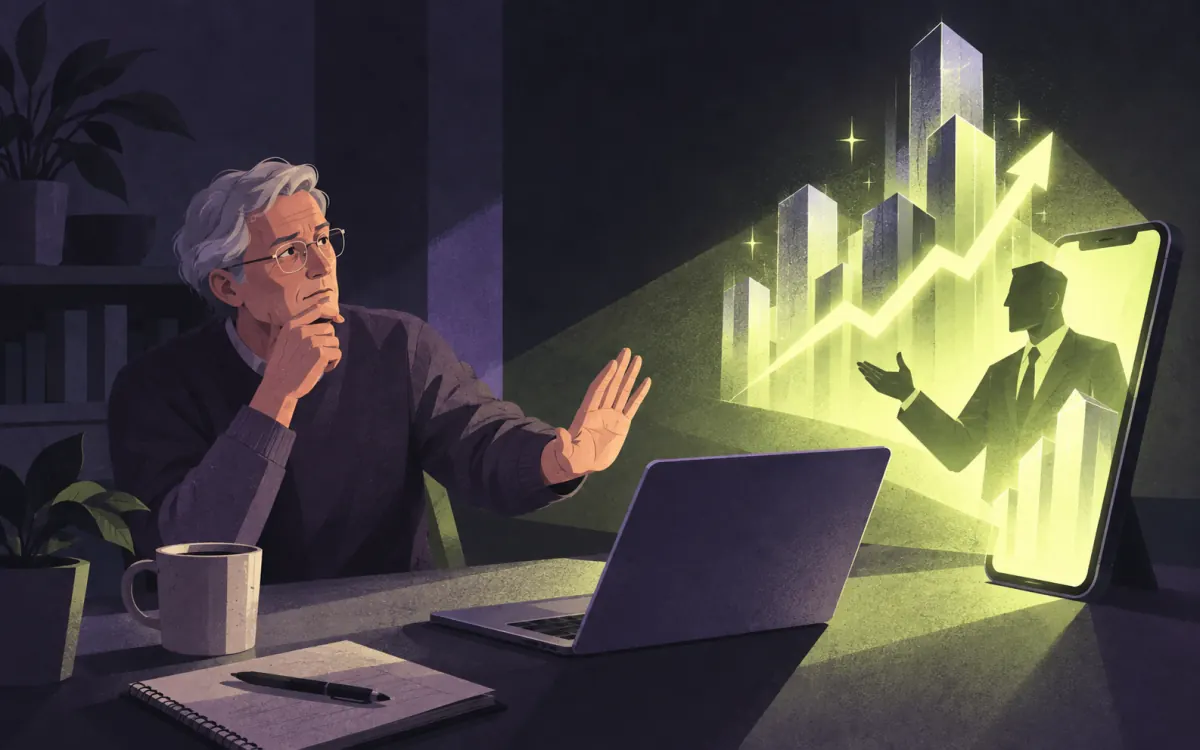
Illustration of an older man stopping before a glowing investment chart and phone pitch.

An AI label does not prove an investment is real

A news report describes a 76-year-old man who lost $1.6 million after a random text led into an investment scam. The safest check is about the offer and platform, not the technology word in its pitch.

Read the story
Illustration of several online personas connected to one concealed operator.

A familiar circle of names can still be one person

In an online romance scam, apparent friends and family may exist only inside the same private story. Learn how to check a connection without blaming yourself for trusting someone.

Read the story
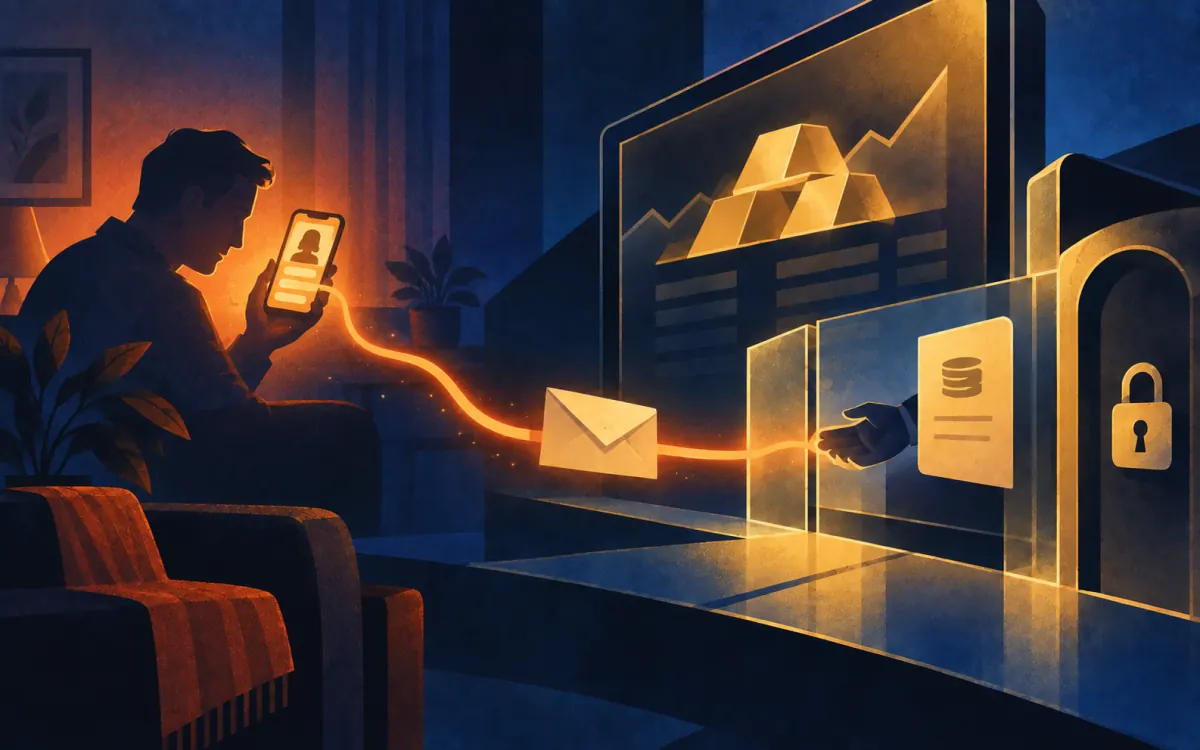
Illustration of an online message leading to a locked, counterfeit trading screen.

When a romance moves from messages to a fake trading account

A relationship can become the bridge to a counterfeit investment site. A fake balance and a last-minute withdrawal fee are reasons to stop and verify, not to send more.

Read the story
Illustration of neighbors pausing, checking, and sharing information as scam messages recede.

Scams are big business. Here is where we can push back.

A scam economy runs on pressure, confusion, and money that moves quickly. We can interrupt the next step, verify a contact independently, and share the tactic so fewer people face it alone.

Read the story